Crispy Baked Potato with Parmesan Crust (2 Potatoes)
Published: 12.04.2026
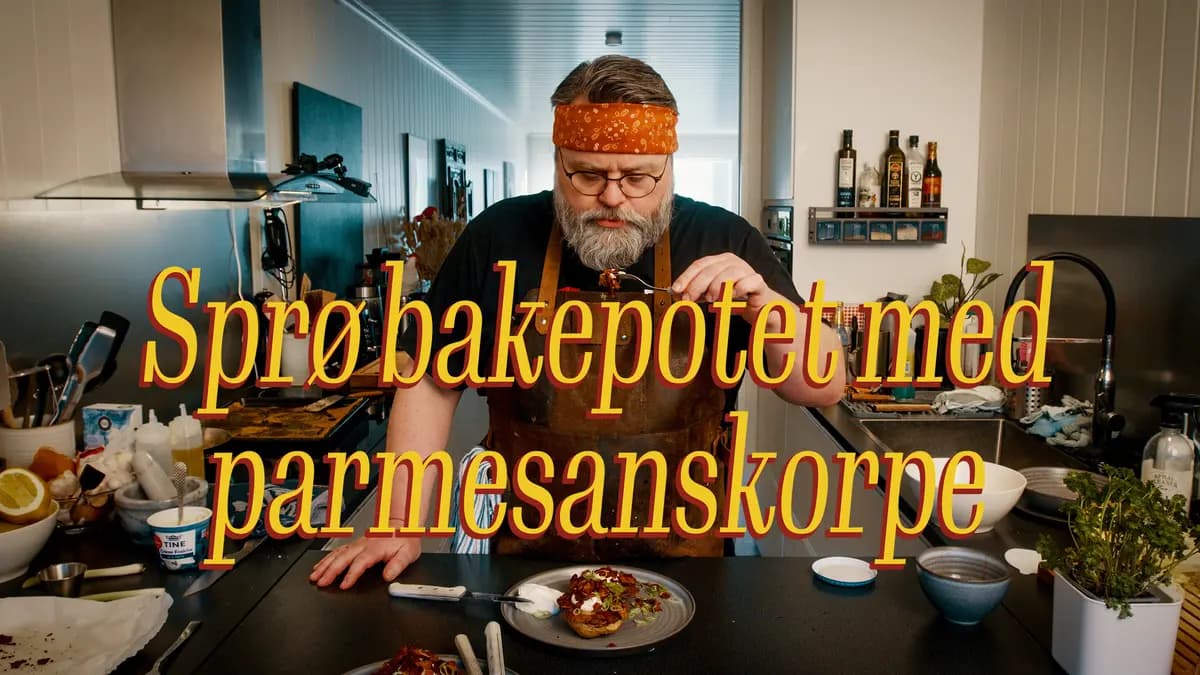
Crispy half-baked potato with a Parmesan crust is a simple, precise, and incredibly satisfying oven dish. With the right size potatoes, the right amount of butter and cheese, and enough cooking time, you get a golden and crispy bottom with a soft and warm center.
- Servings
- 2 servings
- Prep
- 5 min
- Cook
- 20 min
Ingredients
- 2 medium-sized baking potatoes
- 30 g butter
- 40 to 50 g finely grated Parmesan
- 1 tsp salt
- 0.5 tsp black pepper
- 1 tsp garlic powder
Instructions
- Preheat the oven to 220°C (top and bottom heat).
- Gather a baking tray, knife, brush, butter, finely grated Parmesan, and spices.
- Wash and dry the potatoes thoroughly.
- Cut them in half lengthwise.
- Score the flesh side of each potato half, about 5 to 7 mm deep.
- Brush the flesh side lightly with oil or melted butter.
- Season the flesh side well with salt, pepper, and optional garlic powder.
- Place small dollops of butter on the baking tray where the potatoes will sit.
- Sprinkle Parmesan over the butter in an even layer under each potato half.
- Place the potatoes flesh side down on top of the Parmesan layer.
- Put the tray in the middle of the oven and bake for 45 to 60 minutes, depending on size.
- Do not turn or move the potatoes during cooking.
- Lift them carefully when they are done.
- Serve immediately while the crust is still crispy and the core is soft and warm.
This dish is based on a simple and modern oven technique where potato, fat, and hard cheese are baked together to create a crispy crust. There is no clear classic origin for this particular variant, and thus the history is uncertain. The technique is closely related to several European potato traditions that use butter, high heat, and cheese to achieve extra flavor, crispiness, and a deeper crust.
Flavor Profile:
Concentrated potato flavor with a distinct buttery note, salty umami from Parmesan, and a deep golden crust. The outside becomes crispy and intense, while the inside remains soft, airy, and warm.
Glass Type or Serving Suggestions:
Serve with crème fraîche, sour cream, or a simple green salad. The dish also pairs well as a side to roasted chicken, steak, or oven-baked fish.
Crispy half-baked potato with Parmesan crust is a dish that demonstrates how far you can go with just a few ingredients and good technique. This is not a complicated recipe with many components, sauces, or demanding preparations. On the contrary, it is the simplicity that makes the dish so good. When potato, butter, salt, and Parmesan get enough heat and time in the oven, something truly special happens. The outside becomes darker, deeper, and crispier, while the inside remains juicy, soft, and warm.
The most important thing to understand about this dish is that it is governed by balance. You need enough fat to help both the potato and the cheese cook, but not so much that the bottom becomes greasy or soggy. You need enough Parmesan to build flavor and crust, but not so much that the cheese runs out and burns before the potato is done. You also need the right size potatoes. Too large potatoes take too long, risking the Parmesan layer becoming too dark before the core is tender.
Therefore, medium-sized baking potatoes are the best choice. They are large enough to provide a soft and good core, but small enough for heat and cooking time to work effectively together. When you cut them lengthwise, you create a flat side that provides good contact with the tray. This contact is crucial. It is on the underside that all the magic happens.
Scoring the flesh side is also more important than many think. When you make shallow cuts in the potato flesh, you create several small surfaces that allow heat and fat to penetrate. This results in more even cooking and better texture. At the same time, the cuts help distribute salt, pepper, and optional garlic powder more evenly. You don’t need to cut deep. About 5 to 7 mm is sufficient. The point is to open the surface, not to cut the potato into pieces.
Brushing with oil or melted butter also has a clear function. It helps the seasoning stick, and it supports browning during cooking. Butter provides a rounder flavor, while oil often withstands heat well and offers a clean cooking surface. Both work. In this dish, butter is also used directly on the tray, and it is this butter that, together with the Parmesan, creates the golden bottom.
When you place small dollops of butter on the tray and sprinkle Parmesan over, you build a direct cooking surface under the potato. When the potato is then placed flesh side down, the Parmesan layer is gently pressed against the scored surface. During cooking, the butter melts, the Parmesan melts and gradually dries, and eventually, a firm, flavorful, and crispy crust forms. This part requires patience. The potatoes must be left undisturbed. Do not lift them, do not turn them, and do not try to check the bottom too early. Otherwise, you risk tearing the crust before it has set.
The cooking time of 45 to 60 minutes is not arbitrary. Potatoes vary in size, firmness, and water content. Therefore, it is better to think of the cooking time as a range rather than a fixed number. Smaller potatoes may be done closer to 45 minutes, while larger ones often need closer to an hour. The sign that they are ready is that the core is tender and the bottom looks deep golden and crispy.
Salt is a key ingredient in this dish. Potatoes often need more salt than one might initially think, especially when baked in the oven. Parmesan also contributes salt, but it is still important to season well on the flesh side before cooking. Pepper adds a slight heat and depth, while garlic powder is optional. When used correctly, it provides a subtle lift without overpowering the flavor. Therefore, it should be used sparingly.
A common mistake is to use too much cheese. It can be tempting to think that more Parmesan will yield a better crust, but too much cheese can actually work against you. A layer that is too thick can cook unevenly, darken too quickly, or become chewy instead of crispy. The goal is not a heavy cheese layer, but a thin, concentrated, and flavorful crust that adheres to the potato.
The same goes for butter. Too little butter results in a poorer cooking surface, but too much butter can make the bottom heavy and greasy. Therefore, moderate amounts work best. This dish is about precision, not abundance. When the ratio of potato, cheese, and butter is right, the result is significantly better.
Timing is also important. These potatoes are at their best right out of the oven. At that moment, the contrast between the crispy bottom and soft core is at its peak. If you let them sit too long, the steam inside the potato will gradually soften the crust. Therefore, the rest of the meal should be ready when the potatoes come out. Lift them carefully with a spatula or thin palette, and place them directly onto a plate or platter.
As a dish, they work both alone and as a side. They can be served with a bit of sour cream or crème fraîche for a fresh and cooling element. A simple salad with lemon or vinaigrette can balance the richness from the butter and Parmesan. At the same time, they pair very well with roasted chicken, a piece of meat, or oven-baked fish. But they are also strong enough to stand on their own as a small technique dish or warm snack.
The beauty of this recipe is that it teaches you something fundamental about oven cooking. It shows how contact surface, fat, heat, and time work together. It also demonstrates that good results often come from letting the ingredients be. Once you have done the preparation correctly, the rest is a matter of temperature and patience.
In other words, this is a dish that rewards accuracy. Not too large potatoes. Not too much cheese. Not too much butter. Do not interrupt the cooking. If you hit these points, you will get a potato dish with an enormous amount of flavor and texture from very simple means. That is precisely why crispy half-baked potato with Parmesan crust is a recipe many will return to again and again. It is easy to understand, easy to succeed with when the technique is right, and very hard to resist when it comes piping hot out of the oven.
Photos
Note: Information may contain errors. Always verify important facts yourself.
What to read next

Vestfold Meatballs from Hvarnes
Meatballs are a dish that most Norwegians have a connection to. This variant has a specific local tie to Hvarnes in Vestfold and stands out with ingredients like egg, baking soda, wheat flour, potato flour, and a distinct dose of nutmeg.
Beef Roast with Baby Potatoes
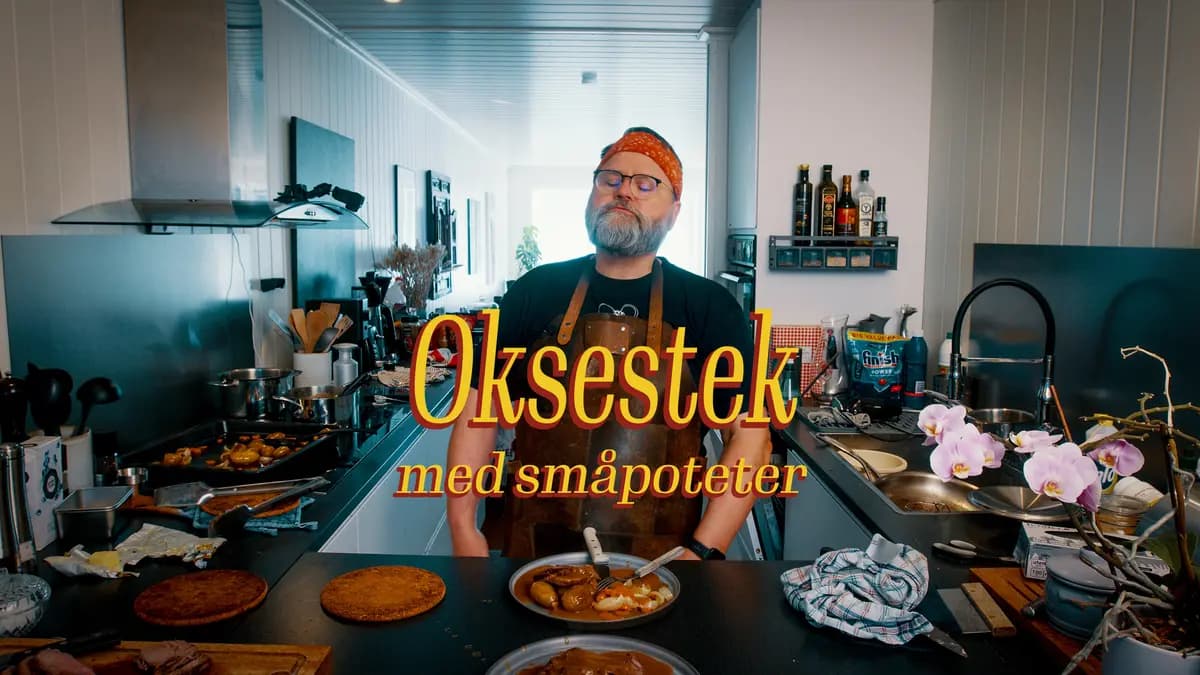
Beef roast with potatoes, vegetables, and brown sauce is a dinner that doesn't require many modern techniques. The most important factors are good meat, the right core temperature, and preserving the juices and drippings along the way.
Cauliflower Soup with Crispy Bacon
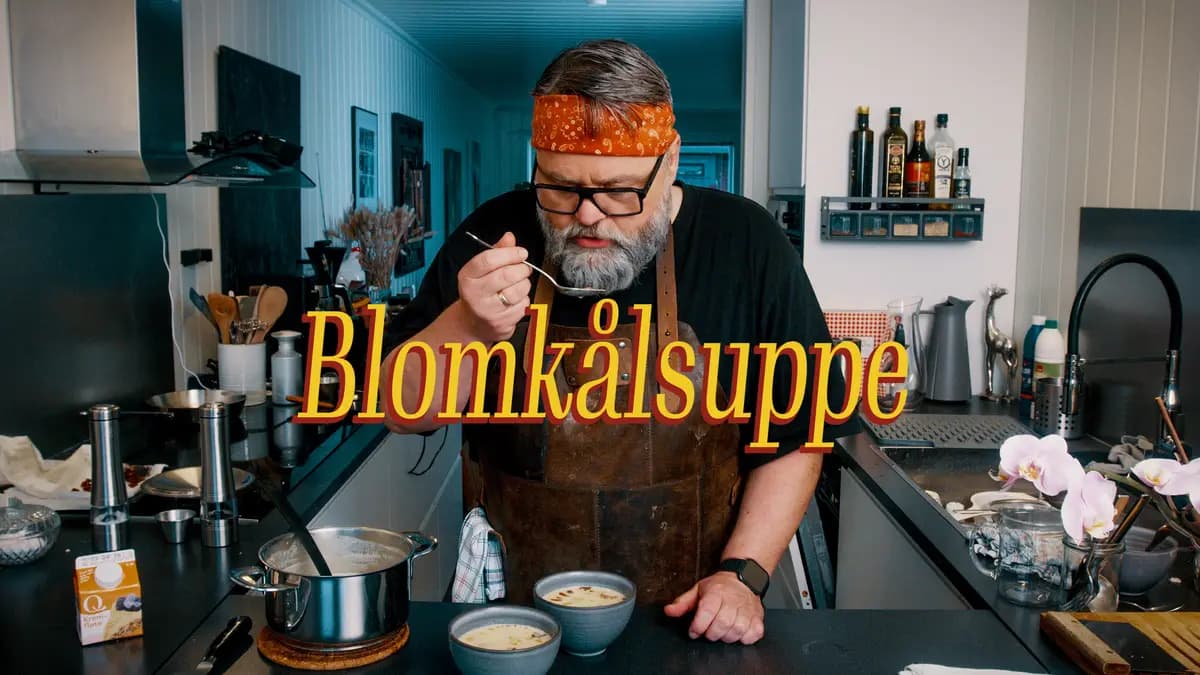
Cauliflower soup is one of those dishes that shows how little it takes to make a good dinner. Here, I let the cauliflower be the main flavor and use chicken stock and a bit of cream to give the soup body. On top, there's crispy bacon and small cauliflower florets sautéed in the bacon fat.