Flying Frenchman – Anise & Espresso in One Glass
Published: 09.01.2026
The Flying Frenchman was created in 2014 by British bartender Andy Mil for the absinthe brand La Fée Parisienne. The drink was part of a campaign to showcase absinthe's modern use in cocktails, launched as an invigorating alternative to the classic Espresso Martini. The story is well documented, but details about the inspiration behind the name remain uncertain.
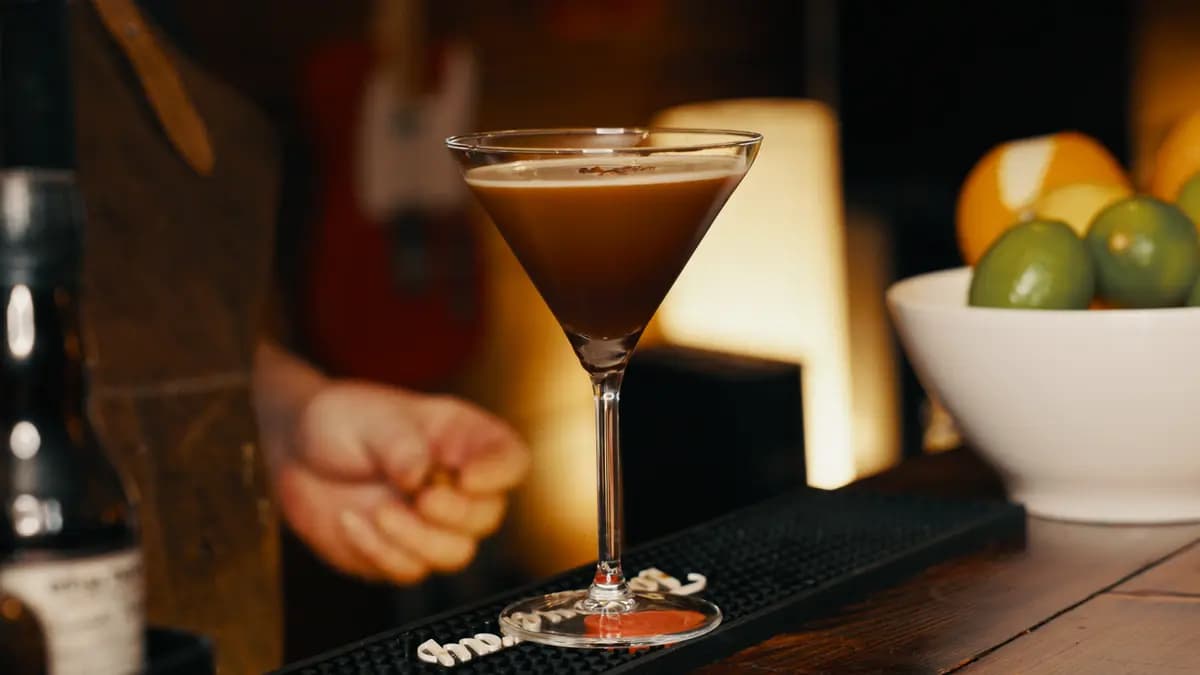
- Servings
- 1 cocktail
- Prep
- 1 min
- Cook
- 4 min
Ingredients
- 30 ml absinthe (preferably La Fée Parisienne)
- 30 ml coffee liqueur (such as Kahlúa)
- 30 ml freshly brewed espresso (warm or recently brewed)
- 5 ml simple syrup (1:1) – optional to round off bitterness
- Ice cubes
- 1–2 star anise for garnish
Instructions
- Chill a martini glass or coupe glass in the freezer, or fill it with ice while you prepare.
- Brew a fresh espresso.
- Measure out absinthe, coffee liqueur, and simple syrup.
- Fill the shaker with ice.
- Pour in the absinthe, coffee liqueur, espresso, and optional simple syrup.
- Shake vigorously for 10–15 seconds until the shaker is cold on the outside.
- Remove the ice from the glass if you used it for chilling.
- Double strain the cocktail (fine strainer) into the glass for a silky texture.
- Garnish with 1–2 star anise on top.
- Serve immediately.
Flavor Profile:
Rich and aromatic with a distinct espresso aroma, balanced by the herbal and licorice notes of absinthe. The coffee liqueur adds sweetness that ties the flavors together, while the simple syrup – if used – rounds out the overall taste. An intense, elegant, and bold "after-dinner" cocktail.
Glass Type or Serving Suggestion:
Martini glass or coupe glass, served without ice.
Flying Frenchman – A Cocktail for the Advanced
The Flying Frenchman is not just a twist on the classic espresso martini – it is a cocktail that demands both attention and respect. The combination of absinthe and espresso is anything but subtle. This is a drink that soars high – both in flavor and character.
What is the Flying Frenchman?
This is a modern cocktail developed in 2014 by bartender Andy Mil in London, as part of a campaign for the absinthe brand La Fée Parisienne. The idea was to breathe new life into absinthe at a time when classic spirits like gin and bourbon dominated the bars. By using espresso and coffee liqueur – known from the espresso martini – absinthe found an unexpected but effective framework to shine in.
The drink's name plays on "The Flying Dutchman" – a ghost ship in European folklore – but with a French twist and a modern, caffeinated lift. The result is a powerful, anise-scented coffee drink that is both unmistakably modern and deeply rooted in cocktail history.
Ingredient Analysis
1. Absinthe – The Heart of the Drink
Absinthe is a high-proof herbal liqueur (typically 45–74%) known for its distinctive flavors of anise, fennel, and wormwood. It was developed in Switzerland and France in the 18th and 19th centuries and was long associated with artists and decadence. It was banned in many countries in the early 20th century but made a comeback in the 1990s in more regulated forms.
In the Flying Frenchman, absinthe provides aroma, alcohol, and an herbal depth that cuts through the coffee tones.
2. Coffee Liqueur – Sweetness and Balance
Kahlúa is a common coffee liqueur used in this recipe, but Tia Maria or homemade variants also work well. It adds sweetness and depth to the espresso, balancing the sharp character of the absinthe.
3. Espresso – Base and Energy
A freshly brewed espresso is crucial. It should be freshly made and preferably warm/lukewarm to achieve the best possible flavor extraction when shaking. Cold espresso yields less foam and aroma. Opt for a dark roast for the best results.
4. Simple Syrup – Optional Rounding
5 ml of 1:1 simple syrup can help to soften the bitterness from the espresso and absinthe. It is not always necessary but can make the drink more approachable.
Serving Occasions
The Flying Frenchman is a perfect after-dinner cocktail – especially after a heavy meal when you need something invigorating but not too sweet. It also works well as an alternative to Irish Coffee for coffee lovers looking for something new and intense.
The drink is not suitable as an aperitif or as a "light start" to the evening – it is complex, bitter-sweet, and intense. Serve it alone or with dark chocolate on the side.
Suggestions for Variations
1. Lower Alcohol Content
Replace 15 ml of absinthe with white rum or vodka for a milder version.
2. Vegan Version
Choose a coffee liqueur without animal additives. Most commercial varieties like Kahlúa are vegan, but check the label.
3. Sugar-Free
Omit the simple syrup entirely. If the espresso is very bitter, you can compensate with a sweeter coffee liqueur.
4. With Milk Foam
Make an espresso with milk foam (macchiato style) and shake it together with the ingredients for a creamy texture.
5. On Ice
Although the original is served "up", you can pour the drink over a large ice cube in a rocks glass for a more relaxed experience.
Tips for Home Bartenders
- Coffee Machine: Don’t have an espresso machine? Use an AeroPress, Moka Pot, or strong filter coffee – but don’t let it sit too long before shaking.
- Ice Quality: Use large, clear ice cubes – they melt slower and provide better texture.
- Shake Properly: Warm espresso needs quick cooling – shake hard enough to lower the temperature and create crema.
- Balance Test: Taste a small splash before serving – absinthe is potent, and some may prefer to reduce the amount.
Background: The Comeback of Absinthe
For over a hundred years, absinthe was a forbidden and mysterious element in many countries. However, the myths of hallucinations and artistic madness were largely exaggerated. Modern absinthe is legal, safe, and regulated – yet still powerful and intense.
La Fée Parisienne – the brand behind the Flying Frenchman – was one of the first brands to be approved in France after the ban was lifted. With this drink, they aimed to show that absinthe also has a place in modern mixology.
Conclusion: A Drink with Attitude
The Flying Frenchman is not for everyone – but for those who enjoy espresso, appreciate the complex herbal and licorice tones of absinthe, and value the balance between bitterness and sweetness, this is an unparalleled cocktail.
It is perfect to serve when you want to impress, surprise, or simply enjoy something powerful and different. Not many cocktails dare to combine two such strong personalities as coffee and absinthe – but when done right, the result is magical.
Want a version with lower alcohol, less caffeine, or a more dessert-like variant? There are many ways to customize the Flying Frenchman – and the most important thing is to find the balance that suits you.
Cheers, and remember to enjoy responsibly!
Note: Information may contain errors. Always verify important facts yourself.
What to read next

Division Bell - Mezcal Cocktail with Aperol and Maraschino
Division Bell is a modern mezcal cocktail featuring Aperol, Maraschino liqueur, and fresh lime juice. Developed by bartender Phil Ward at Mayahuel in New York, this cocktail combines smoky agave with bitter orange, cherry, and tart lime. The result is a fresh and complex drink with just four ingredients.

Army & Navy - Classic Gin Cocktail with Orgeat
Army & Navy is a classic gin cocktail made with fresh lemon juice and orgeat. It follows the same structure as a Gin Sour but uses almond syrup instead of regular simple syrup. The result is a tangy and botanical cocktail with a distinct almond flavor, a smoother texture, and a lightly spiced finish.
Homemade Orgeat - Easy Almond Syrup for Cocktails -
Orgeat is a sweet almond syrup used in a variety of classic cocktails. It is particularly associated with Mai Tai, but is also used in drinks like Army & Navy, Trinidad Sour, and Japanese Cocktail. This recipe is a quick shortcut to orgeat, adapted to Norwegian grocery items and made with unsweetened almond drink as a base. The result is a simple homemade version with a distinct almond and floral note and enough body to work well in cocktails.