Makunaima - A Bold Cocktail with Cachaça, Lime, and Fernet
Published: 08.05.2026
Makunaima is a modern Brazilian cocktail that combines cachaça, lime, and fernet. The result is a fresh, balanced, and aromatic drink that has gained significant popularity among bartenders.
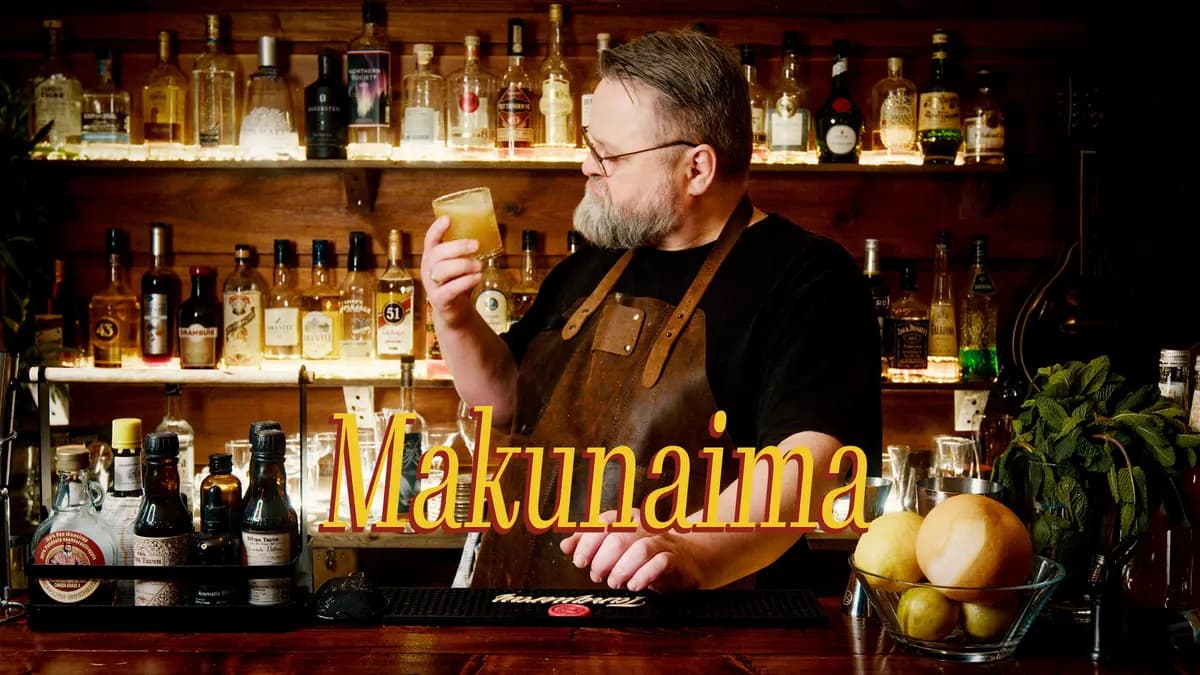
- Servings
- 1 cocktail
- Prep
- 1 min
- Cook
- 4 min
Ingredients
- 50 ml cachaça
- 20 ml fresh lime juice
- 15 ml simple syrup
- 10 ml fernet
Instructions
- Mise en place. Measure out all the ingredients. Squeeze fresh lime juice. Gather shaker, bar spoon, and rocks glass.
- Fill the shaker with ice cubes.
- Add cachaça, lime juice, simple syrup, and fernet.
- Shake vigorously for about 10 to 12 seconds.
- Strain into a rocks glass filled with fresh ice cubes.
- Gently squeeze a lime peel over the glass for aroma and place it in the glass as a garnish.
Makunaima is a modern cocktail from Brazil. It is often associated with bartender Fabio La Pietra and the bar SubAstor. The drink is inspired by the classic cocktail Daiquiri, but uses cachaça and a small amount of fernet for bitter complexity.
The name refers to Macunaíma, the main character in the novel Macunaíma by Mário de Andrade. The character is a trickster in Brazilian folklore. There are various versions of the recipe in the bartending community, and details may vary between bars.
Drink responsibly.
Flavor profile:
A fresh and balanced cocktail with a clear acidity from lime, a slight sweetness from sugar, and herbal bitter depth from fernet. Cachaça provides a characteristic sugarcane aroma that makes the drink aromatic and complex.
Glass type or serving suggestion:
Rocks glass
Makunaima is a cocktail that has carved out a distinct place in modern bar culture. It represents a wave of cocktails where classic structures are combined with local ingredients and cultural references. The result is a drink that feels both familiar and original.
The basic structure of Makunaima resembles that of a classic sour cocktail. This cocktail family typically consists of three main elements: spirit, acid, and sweetness. In many cases, a bitter component is also used to add extra depth.
In Makunaima, cachaça is used as the base. Cachaça is Brazil's national spirit and is made from freshly pressed sugarcane juice. This distinguishes it from rum, which is usually produced from molasses. The flavor of cachaça can therefore be more vegetal, fresh, and aromatic.
When cachaça is combined with lime juice, a very classic flavor combination emerges in Brazilian drinking culture. The most famous drink with this combination is Caipirinha. Makunaima builds on this flavor pattern but adds an extra dimension with fernet.
Fernet is an aromatic bitter made from various herbs, roots, and spices. It has a characteristic flavor that is often described as bitter, herbal, and complex. In Makunaima, only a small amount is used. The intention is not to dominate the flavor but to add structure and length to the aftertaste.
The balance in the cocktail is crucial. Lime provides fresh acidity. Simple syrup adds sweetness that rounds off the acidity. Fernet adds bitter complexity. Cachaça ties everything together with its characteristic sugarcane aroma.
The result is a cocktail that is both fresh and complex. It starts with a clear citrus note, transitions to mild sweetness, and finishes with a light bitter and aromatic aftertaste.
Historically, Makunaima is a relatively new cocktail. It is often associated with bartender Fabio La Pietra from the bar SubAstor in São Paulo. The drink was developed during a period when Brazilian bartenders began to explore national ingredients in more modern cocktail styles.
The name Makunaima is derived from Brazilian literature and culture. The character Macunaíma is a mythological trickster figure that represents a complex and diverse Brazilian identity. By using this name, the bartender aimed to give the drink a clear cultural reference.
In practice, there are several small variations of the recipe. Some bartenders adjust the amount of fernet. Others use different types of cachaça. Small changes can significantly affect the flavor.
An important factor when making Makunaima at home is the quality of the ingredients. Fresh lime juice provides a clean and clear acidity. A good cachaça adds more aromatic depth. Fernet should be used in moderation so that it does not overpower the rest of the drink.
Technique is also important. Shaking with ice ensures quick chilling and proper dilution. This makes the flavor more balanced and pleasant.
The glass used is typically a rocks glass. This works well because the drink is served over ice. The ice cubes keep the cocktail cold and provide gradual dilution that opens up the flavor over time.
The garnish is often simple. A lime peel provides a fresh citrus aroma that enhances the lime juice in the drink. By squeezing the peel over the glass, essential oils are released, creating a more aromatic experience.
Makunaima is a great example of how modern cocktail culture is evolving. Bartenders build on classic techniques but use local ingredients and cultural references to create new signature drinks.
At the same time, the cocktail demonstrates how important balance is in mixology. Even small amounts of an ingredient can change the whole in a drink. Fernet in Makunaima is a clear example of this.
For home bartenders, Makunaima is an exciting cocktail to explore. It is relatively easy to make but has a complex flavor that makes it interesting for both beginners and experienced cocktail enthusiasts.
When made correctly, the result is a fresh, aromatic, and balanced cocktail that elegantly represents modern Brazilian bar culture.
Photos
Note: Information may contain errors. Always verify important facts yourself.
What to read next

Division Bell - Mezcal Cocktail with Aperol and Maraschino
Division Bell is a modern mezcal cocktail featuring Aperol, Maraschino liqueur, and fresh lime juice. Developed by bartender Phil Ward at Mayahuel in New York, this cocktail combines smoky agave with bitter orange, cherry, and tart lime. The result is a fresh and complex drink with just four ingredients.

Army & Navy - Classic Gin Cocktail with Orgeat
Army & Navy is a classic gin cocktail made with fresh lemon juice and orgeat. It follows the same structure as a Gin Sour but uses almond syrup instead of regular simple syrup. The result is a tangy and botanical cocktail with a distinct almond flavor, a smoother texture, and a lightly spiced finish.
Homemade Orgeat - Easy Almond Syrup for Cocktails -
Orgeat is a sweet almond syrup used in a variety of classic cocktails. It is particularly associated with Mai Tai, but is also used in drinks like Army & Navy, Trinidad Sour, and Japanese Cocktail. This recipe is a quick shortcut to orgeat, adapted to Norwegian grocery items and made with unsweetened almond drink as a base. The result is a simple homemade version with a distinct almond and floral note and enough body to work well in cocktails.