Toronto Cocktail Recipe A Classic Whisky Drink With Fernet Branca
Published: 20.02.2026
Toronto is a classic whisky-based cocktail that combines the strength of rye whisky or bourbon with the intense bitterness of Fernet Branca. The result is a sophisticated drink with a distinct character, perfect as an aperitif or after dinner.

- Servings
- 1 cocktail
- Prep
- 1 min
- Cook
- 4 min
Ingredients
- 60 ml rye whisky or bourbon, preferably one with character
- 7.5 ml Fernet Branca
- 7.5 ml simple syrup
- 2–3 dashes Angostura bitters
- Lemon zest for garnish
Instructions
- Measure out all ingredients.
- Prepare simple syrup evenly mixed 1 part sugar 1 part water.
- Have ice ready in the shaker and in the serving glass.
- Fill a shaker with ice.
- Add rye whisky or bourbon, Fernet Branca, simple syrup, and Angostura bitters.
- Shake well for about 15–20 seconds until the drink is well chilled.
- Strain into a chilled cocktail glass, coupe, or martini glass.
- Twist a strip of lemon peel over the top to release oils and place it in the drink.
History:
Toronto is a classic cocktail that emerged in the early 1900s and gained popularity in North America's cocktail culture. The first printed reference is believed to be in The Savoy Cocktail Book by Harry Craddock from 1930, where Toronto was presented as a notable whisky drink balanced with the intense herbal bitter Fernet Branca.
The name Toronto is said to come from either the whisky's Canadian roots or as a tribute to the city of Toronto, known for its bar scene at the time. The history behind the name is not fully documented, and the details are somewhat uncertain, but the drink quickly gained a reputation as an adult and complex aperitif or after-dinner cocktail.
Flavor Profile:
Toronto offers a rich and complex flavor with a strong spicy character from Fernet Branca and Angostura, balanced by the sweetness of simple syrup and the warm, slightly spicy grain flavor from the whisky. The result is an aroma with herbal and citrus notes, and a dry finish that is both sophisticated and refreshing for adult palates.
Glass Type or Serving Suggestions:
Serve in a chilled cocktail glass, coupe, or martini.
Ice Type: Large ice cubes in the shaker, no ice in the glass.
Garnish: Lemon zest.
Toronto is a cocktail that showcases how refined a simple recipe can be when the balance is precise. With few ingredients and clear flavor directions, it stands as a textbook example of how bitterness, sweetness, and strength can work together in the glass.
The base is rye whisky or bourbon. If you choose rye whisky, you often get a drier and spicier profile with a distinct grain character and pepper notes. If you choose bourbon, you get rounder vanilla and caramel notes from barrel aging, often with a softer mouthfeel. Both work excellently, but the expression will differ. This is precisely why Toronto is an ideal cocktail for exploring the difference between these two types of whisky.
Fernet Branca plays a crucial role. This Italian amaro is known for its pronounced bitterness and complex herbal profile. It contains a variety of botanical ingredients, and while the exact recipe is a producer's secret, it is well known that the flavor is strong, mentholated, and intensely herbal. In Toronto, it is used in small amounts, but it leaves a clear mark. It provides structure and depth, elevating the whisky from being round and warm to becoming complex and edgy.
The simple syrup at a 1:1 ratio serves as a balancing point. Without it, the drink would appear too tight and bitter. With the correct amount, the sweetness is not dominating but integrative. It binds together the whisky and the bitterness from both Fernet Branca and Angostura. The precision in the measurements is crucial. Too much syrup makes the drink heavy. Too little makes it sharp.
Angostura bitters add spice and aromatic depth. A few dashes are enough to enhance the structure of the drink. It contributes warm spice notes like cinnamon and clove, further highlighting the whisky character.
Technique is also important. Although many classic whisky drinks are stirred, Toronto should be shaken according to this recipe. Shaking provides more aeration and faster chilling. It also gives a slight dilution that allows the bitterness to integrate better. The result is a silky texture and a rounded whole.
The serving temperature should be low. A well-chilled cocktail glass is essential to preserve the structure. Without ice in the glass, you get a clean and concentrated experience. The lemon zest adds fresh oils that provide an aromatic opening before the first sip. The light citrus aroma balances the dark herbal profile.
Historically, Toronto is placed in the same family as classic spirit-forward cocktails from the early 1900s. It shares kinship with Manhattan and Old Fashioned in structure, but stands out clearly due to Fernet Branca. The reference in The Savoy Cocktail Book confirms that it was established in international bar culture as early as around 1930.
Toronto works excellently as an aperitif for those who prefer bold flavors, but also as an after-dinner cocktail. The dry finish ensures it does not feel sticky or heavy after a meal. It pairs especially well after dishes with red meat or strong cheeses.
For the home bar, this is an ideal cocktail to master. It requires few ingredients but offers high complexity. It also teaches you the importance of balance between bitterness and sweetness. Small adjustments in simple syrup or type of whisky yield noticeable results.
Toronto is a drink for those who appreciate structure and character. It is not sweet and easily accessible in expression, but rewards those who enjoy depth and intensity. It also demonstrates how a bitter liqueur can be used as a spice rather than a main ingredient.
When making Toronto, focus on quality in each component. A characterful rye whisky provides clear direction. A good bourbon offers roundness. Fernet Branca must be used with respect. And the lemon zest should always be fresh to provide maximum aroma.
This is a classic that deserves its place in any serious cocktail repertoire. It combines tradition, precision, and power in one elegant glass.
Photos
Note: Information may contain errors. Always verify important facts yourself.
What to read next

Division Bell - Mezcal Cocktail with Aperol and Maraschino
Division Bell is a modern mezcal cocktail featuring Aperol, Maraschino liqueur, and fresh lime juice. Developed by bartender Phil Ward at Mayahuel in New York, this cocktail combines smoky agave with bitter orange, cherry, and tart lime. The result is a fresh and complex drink with just four ingredients.

Army & Navy - Classic Gin Cocktail with Orgeat
Army & Navy is a classic gin cocktail made with fresh lemon juice and orgeat. It follows the same structure as a Gin Sour but uses almond syrup instead of regular simple syrup. The result is a tangy and botanical cocktail with a distinct almond flavor, a smoother texture, and a lightly spiced finish.
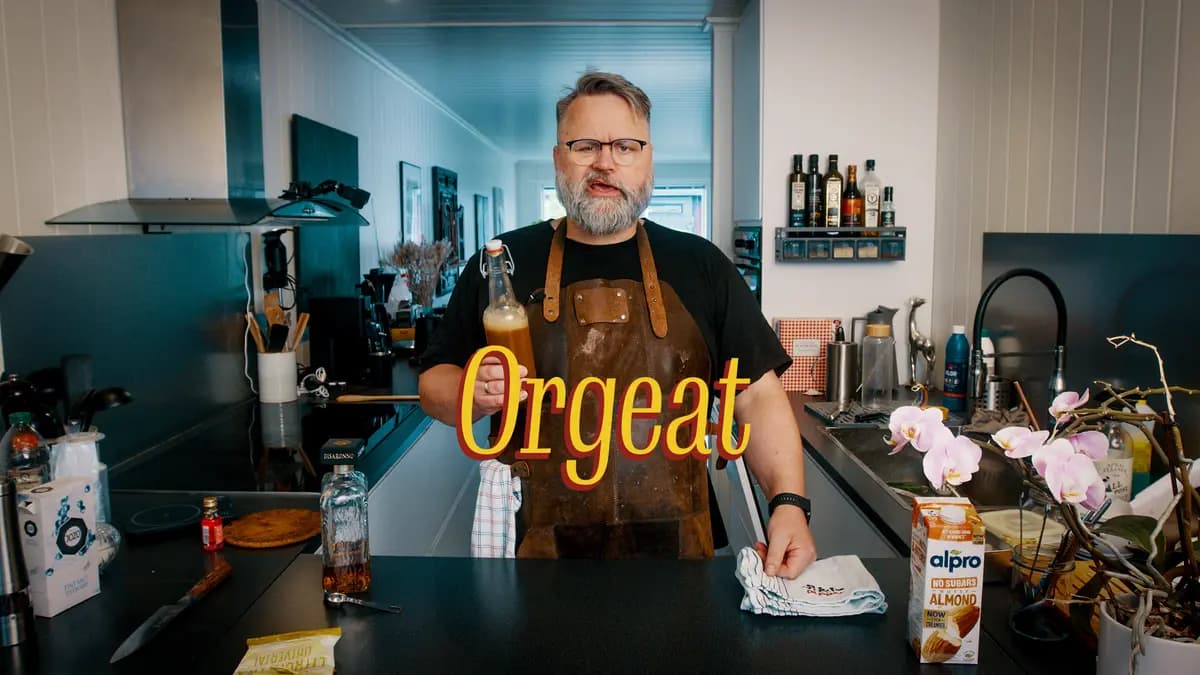
Homemade Orgeat - Easy Almond Syrup for Cocktails -
Orgeat is a sweet almond syrup used in a variety of classic cocktails. It is particularly associated with Mai Tai, but is also used in drinks like Army & Navy, Trinidad Sour, and Japanese Cocktail. This recipe is a quick shortcut to orgeat, adapted to Norwegian grocery items and made with unsweetened almond drink as a base. The result is a simple homemade version with a distinct almond and floral note and enough body to work well in cocktails.